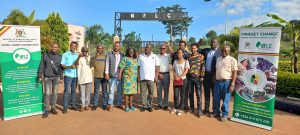

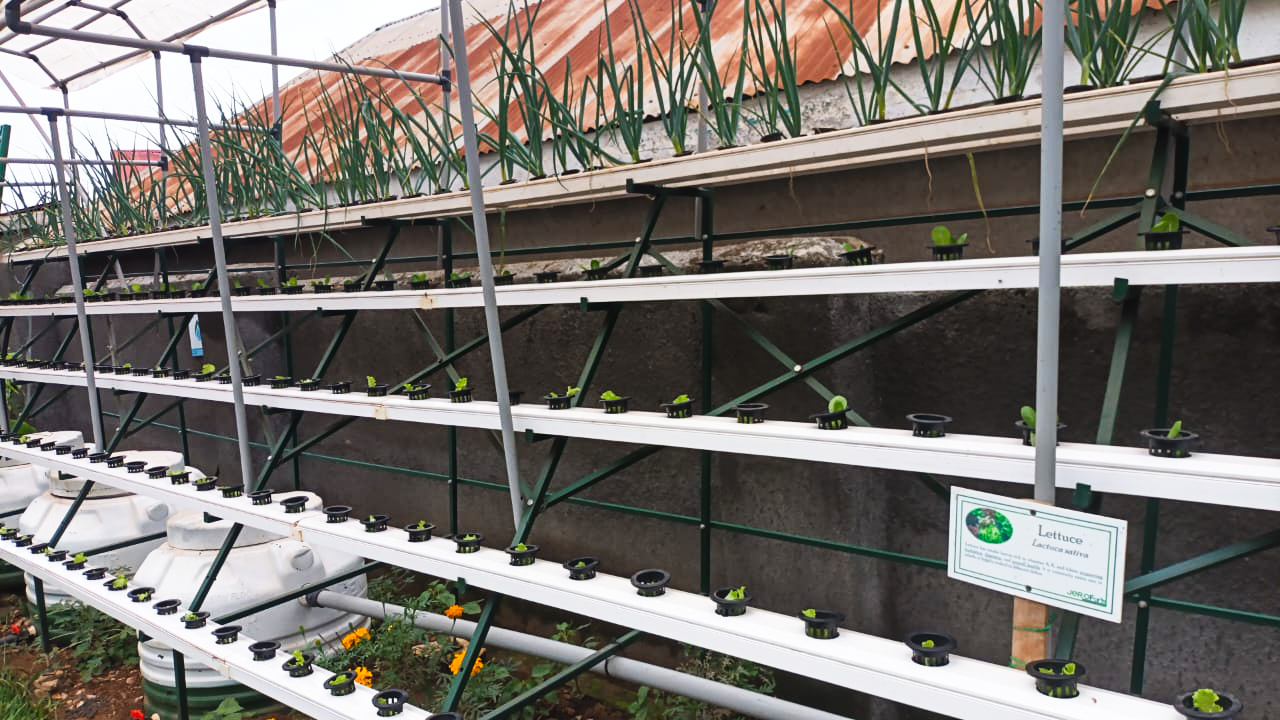
Isingiro District, Uganda — A five-day intensive Business Mindset Training has been launched to empower group leaders and youth climate champions in Isingiro District with the skills and confidence to build resilient, climate-smart agribusinesses.
The training is implemented under the project “Enhancing Resilience and Empowerment in Communities at Risk of Climate-Induced Migration” by the Food and Agriculture Organization of the United Nations (FAO), in collaboration with the Young Farmers Champions Network (YOFCHAN) and the Isingiro District Local Government.
Opening Remarks by the Principal, Mr. Okwaja John Bosco
In his opening remarks, the Principal, Mr. Okwaja John Bosco, expressed sincere appreciation to the Food and Agriculture Organization of the United Nations (FAO) and the Young Farmers Champions Network (YOFCHAN) for identifying the National Farmers’ Leadership Centre as a partner in training youth in agriculture.
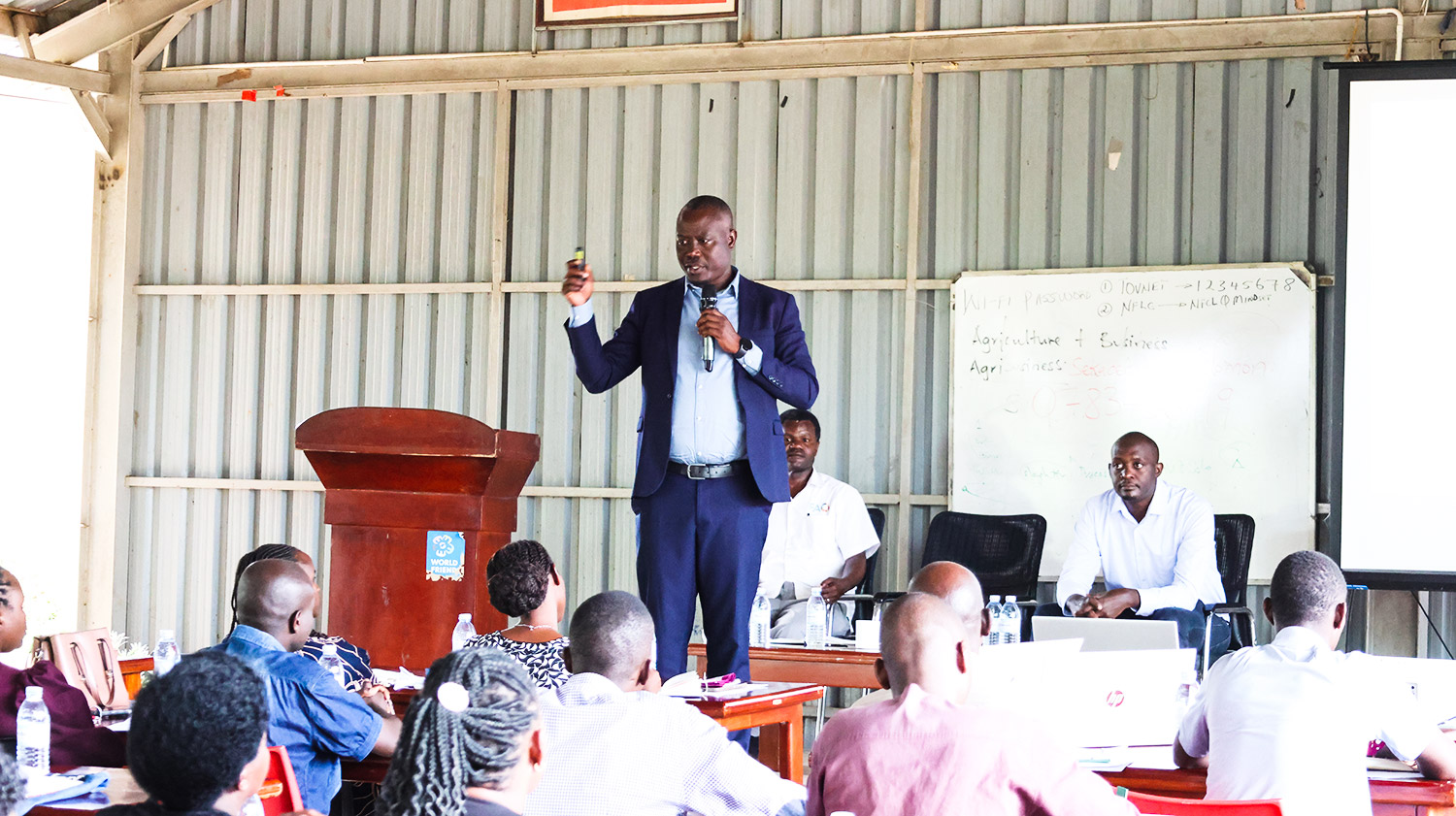
He highlighted the importance of the Samuel Undong (SMU) Model, a village development approach that emphasizes community transformation, self-help, and collective progress. He noted that development must be inclusive, explaining that when only one individual succeeds in a village, the community may not fully support that success. The SMU Model therefore encourages shared growth, teamwork, and doing things in new and innovative ways for the benefit of the entire community.
The Principal urged participants to eliminate the misconception that agriculture is meant for poor people or for those who have failed in life. He emphasized that agriculture is a viable and profitable enterprise open to everyone, regardless of their level of education. He encouraged the youth to work together as a team, support one another, and embrace agriculture as a dignified and transformative career path.
He concluded by expressing his desire for continued collaboration with YOFCHAN and FAO in empowering more young people through similar initiatives.
Remarks by the FAO Uganda Representative, Mr. Robert Fungo
The FAO Uganda representative, Mr. Bernard Kifungo, also thanked the National Farmers’ Leadership Centre for its outstanding work in youth empowerment and for creating opportunities for young people to participate in agricultural training.
He noted that FAO’s role is to identify and promote initiatives that work effectively in strengthening agriculture and food systems. He quoted a local proverb: “Emiti emito gye giggumiza ekibira,” meaning “Young trees are the foundation of the forest.” He explained that just as young trees sustain a forest, young people form the foundation and future of society and the nation at large.
He further stated that FAO focuses on strengthening young people in the field of agriculture by addressing food production in a strategic and sustainable way. The organization pays particular attention to food security, climate change, and the role of youth in building resilient agricultural systems. He encouraged the participants to take the knowledge gained seriously and apply it to create lasting impact within their communities.
Remarks by the YOFCHAN Representative, Mr. Khamutima Tumwebaze
The YOFCHAN representative, Mr. Khamutima Tumwebaze, thanked the Food and Agriculture Organization of the United Nations for its continued support toward youth empowerment in agriculture. He also appreciated the National Farmers’ Leadership Centre for providing a conducive training environment and excellent facilities for the participants.

He emphasized that success comes to those who are organized and disciplined. He explained that the purpose of the training was not only to impart technical agricultural skills but also to transform mindsets. According to him, achievement begins with one’s thoughts — what a person consistently thinks about influences what they eventually become.
He encouraged participants from Nsingiro District to organize themselves into structured groups so that YOFCHAN can provide continued support and regular follow-up programs within their district. He further stressed that YOFCHAN aims to nurture them into agents of change, pioneers, and champions who can serve as role models and inspire other young people to engage productively in agriculture.
Responding to a Growing Climate Crisis
Uganda continues to face escalating climate risks, including prolonged droughts, erratic rainfall, flooding, soil erosion, and land degradation. These environmental shocks are particularly severe in Isingiro District, where livelihoods depend heavily on subsistence, rain-fed agriculture.
With more than 62% of the national population reliant on agriculture, climatic variability directly threatens food security, incomes, and rural stability. Women and youth—who make up a significant share of the agricultural workforce—are disproportionately affected due to limited access to land, credit, agricultural inputs, extension services, and decision-making spaces.
Isingiro District also hosts Uganda’s largest refugee population, with over 274,000 refugees living alongside a host community of more than 635,000 people. This demographic pressure intensifies competition for land, water, and other natural resources, increasing vulnerability and the risk of climate-induced migration.
Without proactive resilience-building interventions, projections indicate that Uganda could face up to 12 million internal climate migrants by 2050—many from rural districts already under environmental and socio-economic strain.
Building a Transformative Business Mindset
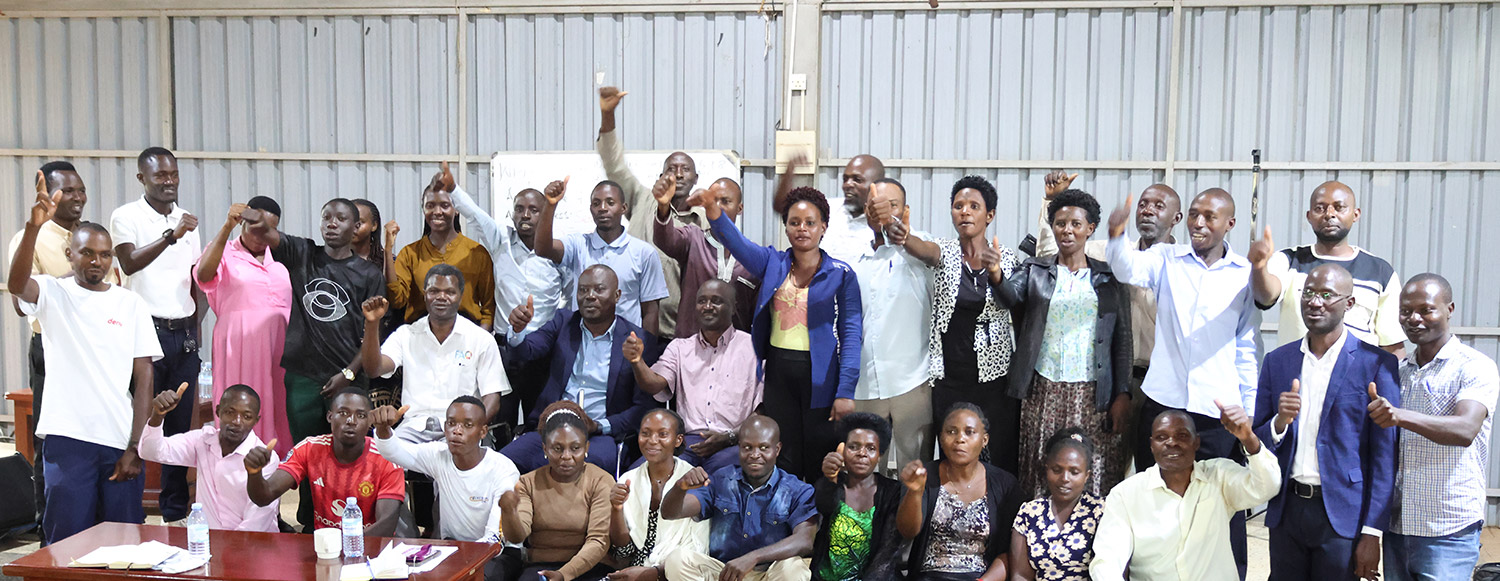
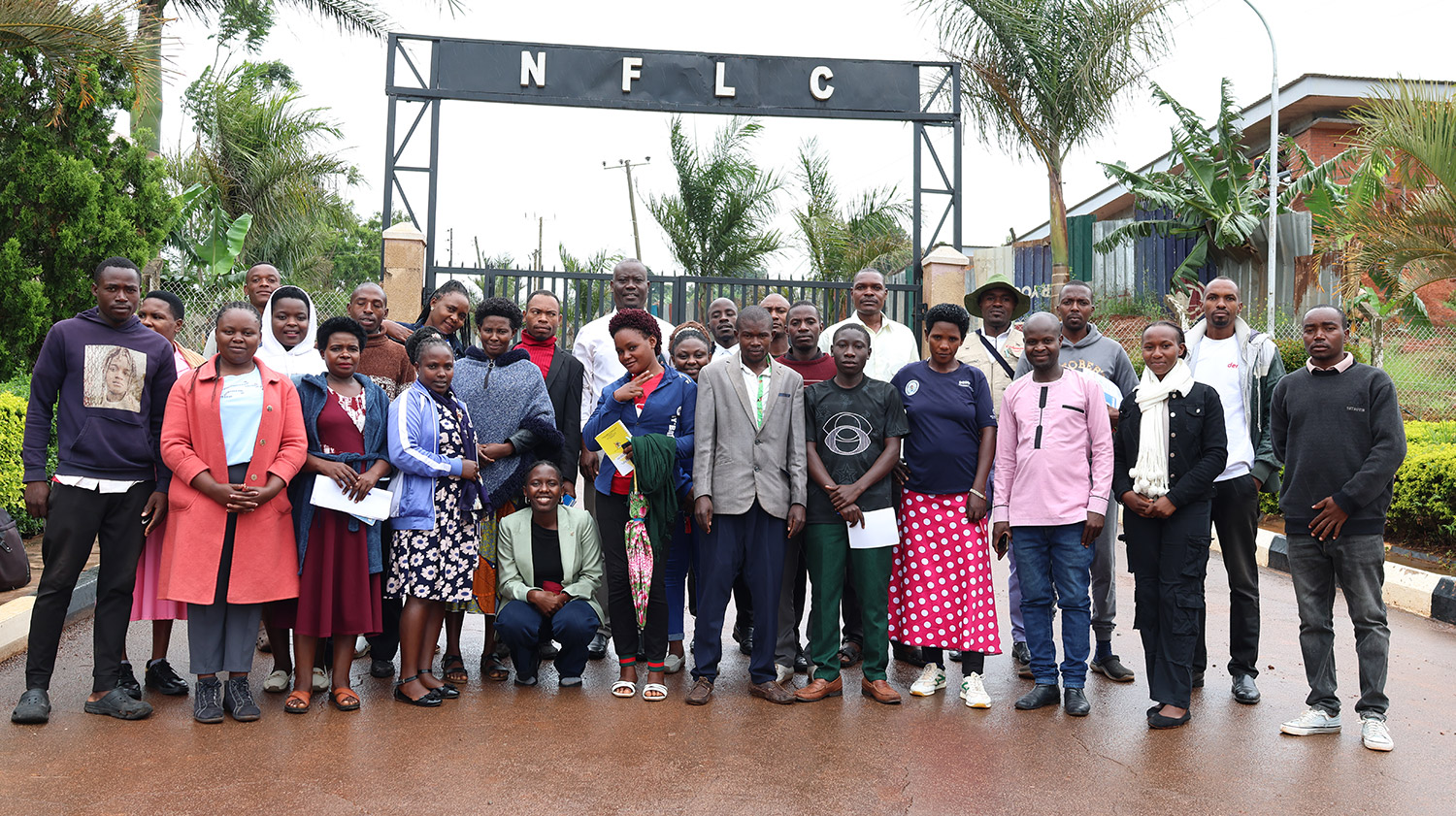
The training brings together 35 participants, including group leaders from farmer associations and community organizations, as well as selected youth climate champions who have demonstrated commitment to climate action and green enterprise development.
The primary goal is to cultivate a transformative entrepreneurial mindset and equip participants with practical tools to establish, manage, and scale sustainable green agribusiness ventures.
Over five days, participants are engaged in:
-
Developing innovation-driven and resilience-focused entrepreneurial thinking
-
Understanding climate-smart agriculture and sustainable value chains
-
Strengthening skills in business planning and financial management
-
Enhancing marketing strategies and proposal development capacities
-
Identifying viable market opportunities in climate-resilient agriculture
The approach goes beyond theory, emphasizing practical application and real-world problem-solving to ensure participants can translate learning into profitable and environmentally responsible enterprises.
Youth-Led Green Agribusiness as a Pathway to Resilience
By strengthening youth-led agribusiness initiatives, the project seeks to create alternative income-generating opportunities that reduce vulnerability to climate shocks while promoting environmental stewardship.
Empowered group leaders are expected to cascade the knowledge and skills acquired to their respective farmer groups and community networks, amplifying the impact across the district.
This initiative reflects a strategic shift from viewing climate change solely as an environmental issue to addressing it as a socio-economic challenge requiring entrepreneurship, innovation, and inclusive leadership.
Through targeted investment in youth and community leadership, FAO and its partners are laying the groundwork for stronger, more resilient rural economies in Isingiro District—where climate action and agribusiness development go hand in hand.